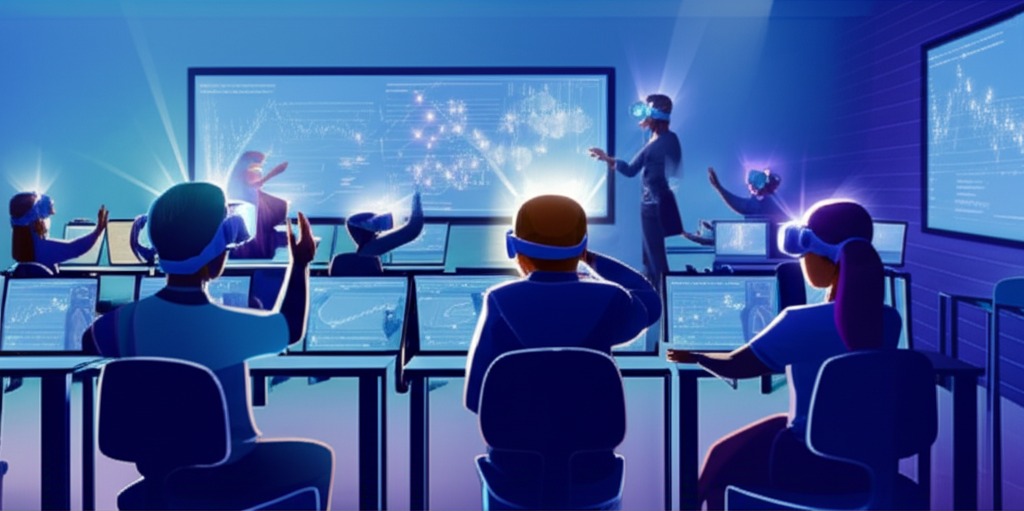
Virtual laboratories, supported by virtual reality (VR) technology, enable students to safely and accessibly conduct experiments that may be risky or costly in a digital environment. Research shows that these environments increase student motivation, enhance experimental skills, and offer significant advantages in terms of time and cost. They stand out as a powerful tool, particularly in science education, for transforming theoretical knowledge into practice and making the learning process more efficient.